
 Global
 Chinese
 United States
 Spain
Spain Russian
 France
 Germany
 Italian
 Japan
Japan Arabic
 Portuguese
 Korean
 Thai
Thai Greek
Greek India
India

As a natural phenolic compound, protocatechuic acid (3,4-dihydroxybenzoic acid, CAS No. 99-50-3) occupies a distinctive position in today’s chemical and life-science supply chains. Unlike many niche organic acids, it combines natural origin, structural simplicity, and industrial compatibility, enabling stable demand across multiple downstream sectors. In this blog post, Viablife, as high purity organic intermediates manufacturer, will share the commercial prospects of natural phenolic compound protocatechuic acid in the global market.
Market Recognition of Natural Phenolic Compound Protocatechuic Acid
In the global ingredients and intermediates market, protocatechuic acid is widely recognized as a benchmark phenolic acid. Its clear chemical identity, standardized CAS registration, and long-standing presence in supply catalogs make it familiar to procurement teams and formulation planners.
Compared with complex polyphenols, this natural phenolic compound benefits from:
• Stable naming conventions
• Consistent specification parameters
• Broad acceptance across regulatory frameworks
These factors reduce transaction friction and contribute to steady market circulation.
Positioning of Protocatechuic Acid Among Phenolic Acids
Within the broader phenolic acid category, protocatechuic acid occupies a mid-stream position. It is neither a bulk commodity acid nor a highly specialized custom molecule. This positioning creates a balance between volume scalability and value density.
Market participants often view protocatechuic acid as:
• A versatile aromatic acid intermediate
• A naturally derived alternative to petrochemical aromatics
• A structurally stable phenolic reference compound
This perception supports its role as a reliable commercial material rather than a speculative specialty product.
Supply Stability and Demand Drivers for Protocatechuic Acid
Demand for protocatechuic acid is relatively inelastic, driven by long-term industrial planning rather than short-term market trends. Buyers typically prioritize:
• Consistent supply continuity
• Batch-to-batch uniformity
• Predictable pricing mechanisms
Because the compound is embedded in established production chains, sudden demand spikes or collapses are uncommon. This stability makes natural phenolic compound protocatechuic acid attractive for enterprises seeking low-volatility raw materials.
Fermentation-Based Production and Market Confidence
One of the most significant shifts in the protocatechuic acid market is the transition toward fermentation-based manufacturing. Compared with traditional chemical synthesis routes, fermentation offers higher acceptance in modern supply chains.
From a market standpoint, fermentation-based protocatechuic acid provides:
• Clear origin traceability
• Reduced dependence on petrochemical precursors
• Improved alignment with ESG procurement standards
As a result, buyers increasingly associate fermentation-derived material with long-term availability and reduced regulatory risk.
Non-Animal Origin as Commercial Advantage
The non-animal origin of fermentation-produced protocatechuic acid is more than a technical detail—it is a commercial asset. Many downstream buyers operate under strict sourcing policies that limit or exclude animal-derived inputs.
Non-animal origin enables:
• Broader customer eligibility
• Simplified documentation processes
• Compatibility with international sourcing requirements
This attribute enhances market accessibility and shortens qualification timelines for new suppliers.
Cost Structure of Natural Phenolic Protocatechuic Acid
Cost efficiency is a key reason protocatechuic acid maintains competitiveness in the phenolic compound market. Its relatively simple molecular structure allows production at scale without excessive processing complexity.
Key cost-related factors include:
• Scalable fermentation yields
• Reduced purification burden
• Mature upstream raw material supply
Together, these elements support cost-effective pricing while maintaining acceptable margins for manufacturers and distributors.
Pricing Transparency and Long-Term Procurement Planning
From a buyer’s perspective, protocatechuic acid is valued for its pricing transparency. Unlike rare plant extracts or seasonally dependent compounds, its production is not tightly constrained by agricultural variability.
This predictability allows:
• Multi-year procurement contracts
• Accurate cost forecasting
• Reduced exposure to raw material volatility
As a result, natural phenolic compound protocatechuic acid is often selected for projects requiring long-term supply assurance.
Appearance, Handling, and Logistics Considerations
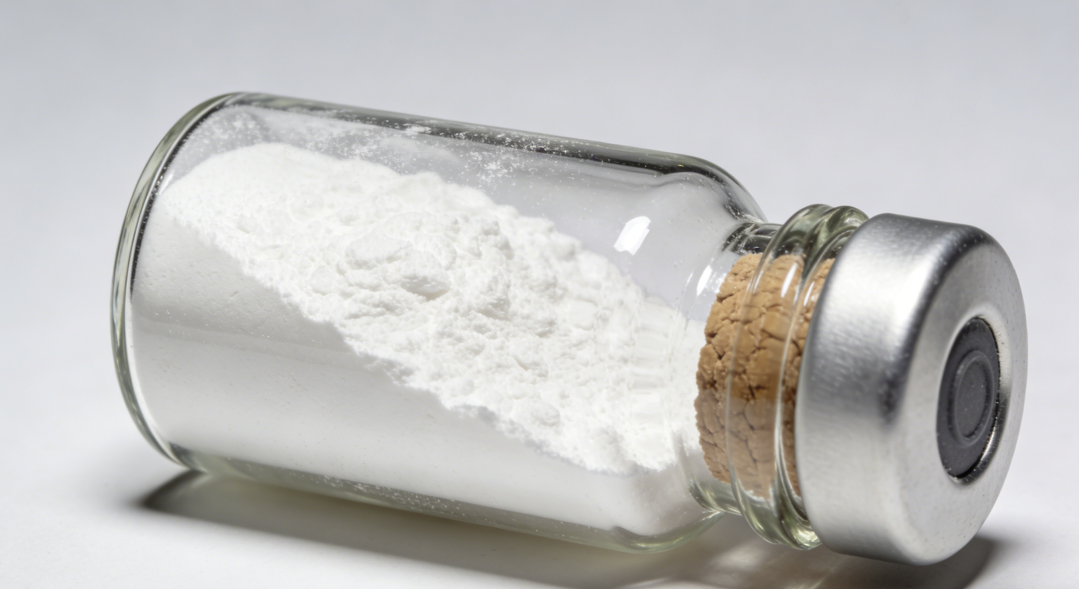
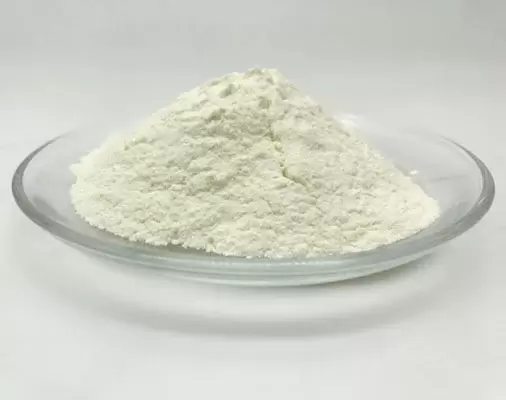
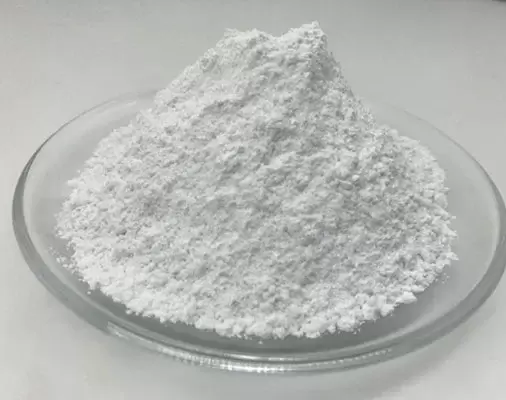
Commercial protocatechuic acid typically appears as white to slightly brown crystals, a physical form well-suited for industrial handling. Its solid-state stability simplifies packaging, transportation, and storage.
From a logistics standpoint:
• Crystalline form reduces degradation risk
• Standardized packaging options are widely available
• Long shelf life supports global distribution
These characteristics lower total ownership cost across the supply chain.
Quality Expectations in the Protocatechuic Acid Market
Quality benchmarks for protocatechuic acid are well established. Buyers expect:
• High chemical purity
• Low residual solvent levels
• Consistent crystalline morphology
Because this compound often serves as a foundational material, deviations in quality can propagate downstream. As a result, suppliers with strong quality control systems gain higher trust and repeat business.
Role of Protocatechuic Acid in Pharmaceutical Supply Chains
In pharmaceutical-related value chains, protocatechuic acid is viewed primarily as a reliable aromatic building block. Its demand is driven by inclusion in established synthetic routes rather than experimental pipelines.
This role favors suppliers who can offer:
• Documentation-ready batches
• Stable long-term output
• Regulatory-aligned production processes
Market entry barriers are therefore more commercial than technical.
Globalization of Protocatechuic Acid Market
The protocatechuic acid market has become increasingly globalized. Production, distribution, and consumption frequently occur across different regions, requiring suppliers to meet international expectations.
Key globalization factors include:
• Harmonized quality standards
• Cross-border regulatory acceptance
• International logistics capability
Suppliers able to operate within this global framework gain access to broader customer networks.
Why Buyers Choose Viablife Protocatechuic Acid for sale?
In a competitive supplier landscape, Viablife protocatechuic acid stands out through its production and commercial attributes. Manufactured using fermentation-based technology, it ensures a non-animal origin, high purity, and cost-effective supply.
For buyers focused on long-term procurement stability, Viablife offers:
• Consistent batch quality
• Scalable output capacity
• Transparent sourcing credentials
These factors align with modern purchasing priorities across chemical and life-science markets.
Commercial Outlook for Natural Phenolic Compound Protocatechuic Acid
Looking ahead, the market outlook for natural phenolic compound protocatechuic acid remains stable and resilient. Demand is supported by mature downstream structures, while supply benefits from sustainable production technologies.
Protocatechuic acid is not driven by short-term trends but continues to function as a reliable commercial raw material - its balance of natural origin, industrial compatibility, and cost-effectiveness makes it highly desirable. In an increasingly rationalized global supply environment, such characteristics are likely to remain decisive.
 Leave a Message